It allows the user instantly start watching the video that they click on before it finishes downloading. It works the same way as Streaming method but the disadvantage of Progressive downloading is that the user can not navigate around the video. The video downloads from start to finish and they can not jump through the video.
The process of progressive download can be slowed down if the users Internet connection is not fast, this will cause the effect of having to wait longer for the video to load before the user can watch it. The file size will also contribute to slower process.
Progressive download is not permanent and when a user refreshes or leaves the page but then goes back 10minutes later to watch the video again, they will have to wait for the process of buffering to download again.
I watched a video that talked about Progressive download as part of my research for Streaming and Progressive Downloading.
Reference: http://www.youtube.com/watch?v=2cbXxyr0DCY&feature=player_embedded
Reference: http://whatis.techtarget.com/definition/progressive-download.html
About Interlaced Video
Today's broadcast television is displayed by using an archaic technique called interlaced video. Television experimenters had considerable problems in making the scan lines draw neatly together close enough to make a image. So they created a video frame that is composed of two fields. each of the fields contain one-half of the frame. The first field contains the odd lines of the frame and the second field contains the even lines. together, the fields interlace in broadcast. The odd lines are broadcast before the even lines.(one third of a second later), but we don't see this happening, so we see the final result of one image. This process can be developed as it is messy but it would be enormous cost for the broadcast system of a estimate of more than $35 billion.
There is another approach to this called Progressive video which keeps all the lines together that make up the frame in one place. The benefits of this is the result of a much crispier image, which is often used in film.
"p" in "24pHDTV" stands for "progressive" which substantially helps the new high-definition video to emulate film.
The difference between Analog and Digital
The problem with analog systems is that they are not good at recreating exactly the same phenomenon twice. But the new system for Digital take a very different approach. The horizontal and vertical lines approach begin to turn the image into a series of fixed points. The more lines there are, the more pixels the image is made up of the better the definition/resolution of the image. Pixels are made up of various colours, each a single, unitary piece of information. This is digital image which is capable of exact reproduction of display every copy identical to the original.
Reference: Benedetti, R, Brown, M, Laramie, B, Williams, P 2004, pp.34,35,Creative postproduction, Pearson Education,Inc.
Example of Interlaced:

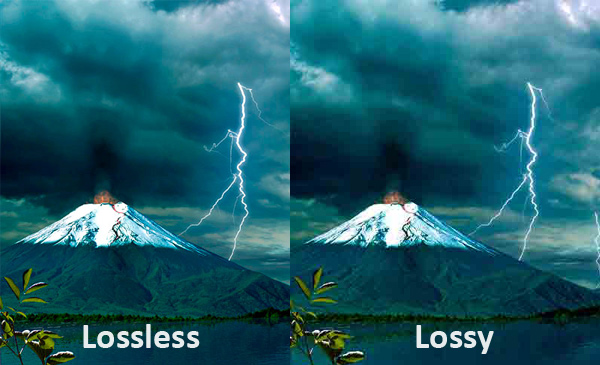
Reference of image:http://www.pxleyes.com/blog/wp-content/uploads/essential-video-formats-for-cg-artists/lossless1.jpg

No comments:
Post a Comment